 FREE UK SHIPPING OVER £35!
The Spin Doctor Europadisc's Weekly Column
Celebrating excellence and enterprise: Resonus Records
20th August 2024
20th August 2024
 Doom-mongers and naysayers have for many years – decades, even! – been predicting the imminent demise of the classical recording business. It’s almost 20 years since EMI’s Pappano recording of Tristan was supposed to bring the curtain down on the era of studio opera recordings, yet there’s no shortage of new opera on disc: the big labels may issue fewer large-scale productions, and more may be taken from live performances, but – from chamber works and music theatre to grand opera – there has never been so much choice for aficionados, many captured under studio conditions.
One encouraging sign of the industry’s continued health, albeit within a changing cultural landscape, is the continued emergence of small, independent labels of high quality. And among these, one of the most notable success stories of recent years is the UK-based Resonus label. With an emphasis on engaging first-rate performers in enterprising repertoire ranging from the Renaissance to the present-day, it has garnered a steady stream of outstanding reviews and several awards in the relatively short time since it was launched in 2011. Their current catalogue boasts almost 200 titles, from instrumental works by JS Bach and his contemporaries to such acclaimed rarities as The Dragon of Wantley by Handel’s younger contemporary JF Lampe and Malcolm Arnold’s opera The Dancing Master (originally composed for television). Both those latter titles have won awards, but the release that put Resonus firmly on the radar for many listeners was even earlier: the 2015 release of Bach’s Cello Suites, David Watkin’s last recording before enforced retirement due to the onset of sclerdoma. It attracted superlatives from critics and music-lovers alike, its edge-of-seat intensity and intelligent insight enhanced by a glorious choice of 17th-century instruments and an ideally warm acoustic at The Robin Chapel, Edinburgh.
Watkin’s recording of the Cello Suites set the bar high, but Resonus has continued to foster a particularly strong series of Bach recordings. Organ works played by Stephen Farr and harpsichord music performed by Steven Devine have regularly impressed us, while Devine has also recorded an absorbing series of discs of music by Johann Ludwig Krebs. Organist Matthew Owens has set down three discs of works by Johann Pachelbel and (in 21st-century repertoire) an album of works by Howard Skempton, while Farr is further represented by discs of James MacMillan, Philip Moore, Francis Grier, Kenneth Leighton and Judith Bingham, all illustrating Resonus’s commitment to contemporary music.
Choral music is also a strength of the Resonus catalogue, with Requiems by Fauré, Duruflé and Howells under the late John Scott, John Joubert’s St Mark Passion and Missa Wellensis from Wells Cathedral, and an attractive series of Christmas-themed albums among the highlights. (Our own choral favourite, from the York-based Ebor Singers, is Music for Troubled Times: The English Civil War & Siege of York, including the ‘York’ Psalms by the great William Lawes.) Nor does the label neglect solo and ensemble vocal works. From repertoire staples Brahms and Schumann, via Stanford and Vaughan Williams, to Schmitt, Alfano, Castelnuovo-Tedesco and the complete songs of Samuel Barber, the range is wide, and includes a particularly beguiling album of songs by the Czech composer Pavel Haas which was one of our Top Ten discs of 2017. Although early and recent repertoires remain particular strengths, the long 19th century is far from overlooked, with chamber and instrumental music from the Viennese classical tradition – including a series of Beethoven Piano Trios by the period-instrument Rautio Piano Trio – becoming something of a label speciality.
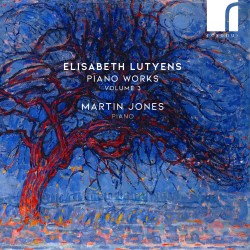
The other notable Resonus contribution to the discography is its recordings of music by women composers. A 2023 album of works for piano and orchestra by Elisabeth Lutyens, Elizabeth Maconchy and Errollyn Wallen was met with widespread acclaim, but even more important is Martin Jones’s survey (across three discs) of Lutyens’s output for solo piano, shining an overdue light on one of modernism’s most scandalously neglected figures. From an earlier, rather more conservative tradition, but just as significant an addition to the recorded canon, is last year’s disc of Ethel Smyth’s one-act opera Der Wald, with an outstanding cast and BBC forces led by a seasoned champion of neglected repertoire, John Andrews. This premiere recording of Smyth’s breakthrough work has all the hallmarks of Resonus’s high-end production values.
With the 2019 launch of their own early music imprint, Inventa Records (whose highlights include a series of Byrd albums from vocal consort Alamire), Resonus goes from strength to strength, a sign that – even ‘in troubled times’ – in the right hands and with a combination of sensitivity and imagination, classical music can continue to thrive and develop.
Explore all the Resonus catalogue here:
Latest Posts
Music of the Iberian Peninsula, Part 3: More observations on the Golden Age
16th June 2026
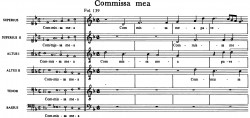
Our last visit to the Iberian peninsula, a fortnight ago, was an insanely ambitious, necessarily broad-brush survey of the Spanish and Portuguese Golden Age, covering vocal and instrumental music, the sacred and the secular. This week, we take a more concise and (I hope) focussed look at a few of the sacred vocal masterpieces which exemplify the particular fervour and intensity of this remarkable period of musical history. They reflect the special place the peninsula had as a bulwark against the Reformation that had taken... read more
read more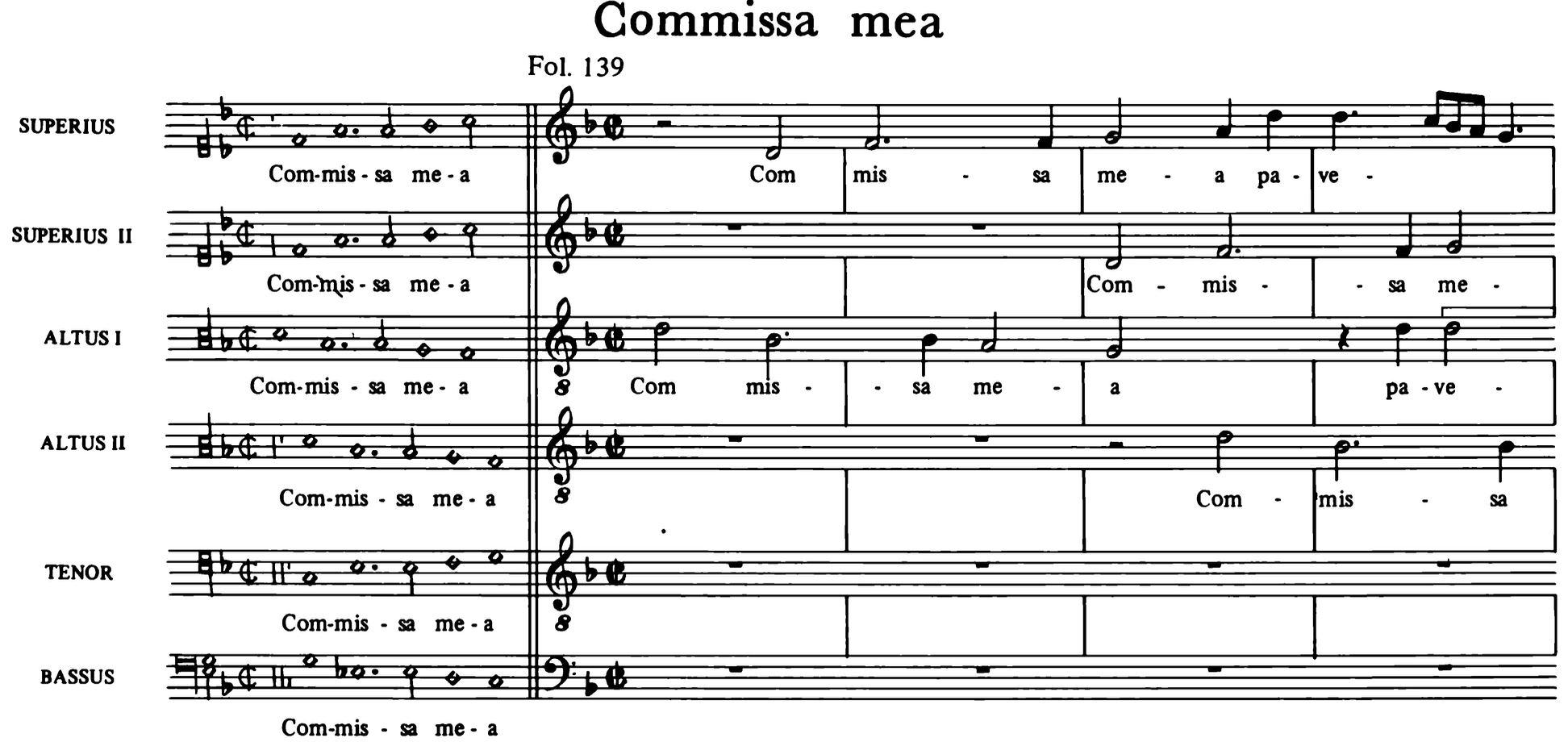
Music of the Iberian Peninsula, Part 3: More observations on the Golden Age
16th June 2026
Our last visit to the Iberian peninsula, a fortnight ago, was an insanely ambitious, necessarily broad-brush survey of the Spanish and Portuguese Golden Age, covering vocal and instrumental music, the sacred and the secular. This week, we take a more concise and (I hope) focussed look at a few of the sacred vocal masterpieces which exemplify the particular fervour and intensity of this remarkable period of musical history. They reflect the special place the peninsula had as a bulwark against the Reformation that had taken... read more
read more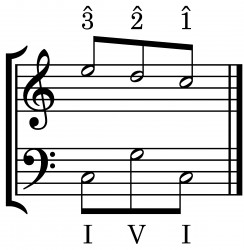
Carl Schachter, Arnold Whittall, and why music analysis matters
9th June 2026
Two recent deaths have robbed the world of music analysis of a pair of its most revered figures. Carl Schachter, who has died at the age of 93, was a pupil of (and subsequently collaborator with) Felix Salzer, himself one of Heinrich Schenker’s foremost students. Schachter continued to enrich and broaden the teaching of Schenkerian analysis, including important work on its application to issues of rhythm (which Schenker, focussing on harmonic and contrapuntal matters, largely bypassed). His influence went well beyond the... read more
read more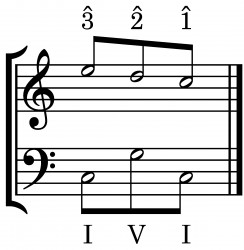
Carl Schachter, Arnold Whittall, and why music analysis matters
9th June 2026
Two recent deaths have robbed the world of music analysis of a pair of its most revered figures. Carl Schachter, who has died at the age of 93, was a pupil of (and subsequently collaborator with) Felix Salzer, himself one of Heinrich Schenker’s foremost students. Schachter continued to enrich and broaden the teaching of Schenkerian analysis, including important work on its application to issues of rhythm (which Schenker, focussing on harmonic and contrapuntal matters, largely bypassed). His influence went well beyond the... read more
read more
Music of the Iberian Peninsula, Part 2: ‘O quam gloriosum’ – The Spanish and Portuguese Golden Age
2nd June 2026
Over the past fortnight, I’ve been bathed in the most glorious, radiant, transformative light. Not the UK’s recent unseasonable heatwave, but the extraordinary vocal polyphony of the Siglo de Oro: the Spanish (and Portuguese) ‘Golden Century’. Extending from the late 15th to the early 17th century, this was a time of remarkable artistic flowering on the Iberian Peninsula, coinciding with the emergence of Spain and Portugal as global imperial powers with extensive colonial territories in the Americas, Africa and Asia. The... read more
read more