 FREE UK SHIPPING OVER £35!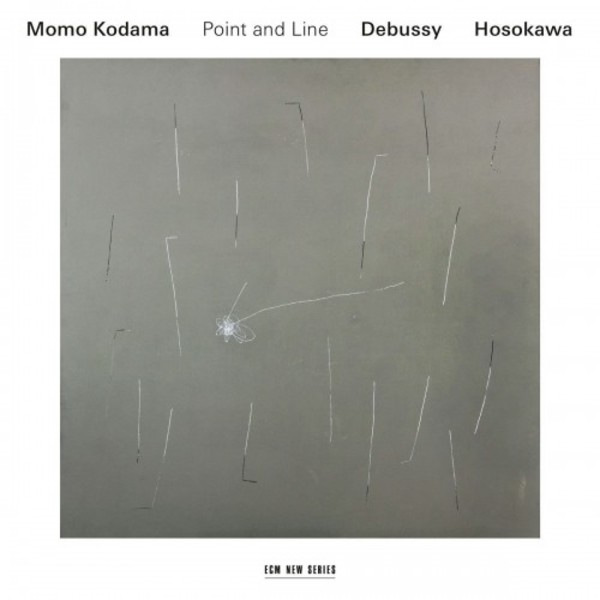
Point and Line: Etudes by Debussy & Hosokawa
£14.26 £11.41
save £2.85 (20%)
special offer ending 30/07/2026
Usually available for despatch within 3-5 working days
Despatch Information
This despatch estimate is based on information from both our own stock and the UK supplier's stock. It is based on the assumption that you are ordering one copy - if you order multiple copies of the same item, the quoted leadtime may not apply.
If ordering multiple different items, we will aim to send everything together so the longest despatch estimate will apply to the complete order.
If you would rather receive certain items more quickly, please place them on a separate order.
If any unexpected delays occur, we will keep you informed of progress via email and not allow other items on the order to be held up.
If you would prefer to receive everything together regardless of any delay, please let us know via email.
Pre-orders will be despatched as close as possible to the release date.
New Item
Label: ECM New Series
Cat No: 4814738
Barcode: 0028948147380
Format: CD
Number of Discs: 1
Genre: Instrumental
Release Date: 27th January 2017
 The album is called Point and Line after one of the Hosokawa studies, but that name also hints at the cool definition of Kodama’s playing. Her touch is immaculate and diligent, neatly flamboyant in the Debussy and reassuringly robust in the Hosokawa. She writes that both composers are “between meditation and virtuoso development, between light and shade, between large gestures and minimalist refinement” – and it’s those places in between that make her interpretations interesting.
  Forget other recordings of Debussy’s Etudes. Not that this is better than Gieseking, Pollini, Uchida, Bavouzet and the rest - it’s merely that such comparisons are redundant. Instead of starting at page one of Etude one and ending with the rousing conclusion of ‘Pour les accords’, Momo Kodama justaposes these masterpieces with Toshio Hosokawa’s six Etudes from nearly a century later, not as a filler, but the mortar between a reordering of Debussy’s pieces. The result is a fascinating meta-work that creates myriad associations, resonances and new perspectives, not just between the two composers, but also within Debussy’s cycle from hearing the pieces out of the expected order.